Category 3 water damage is damage from black water: grossly contaminated water that can carry bacteria, viruses and other harmful agents. Sewage backups, toilet overflows from beyond the trap and floodwater from storms or tides all count. It is not a DIY cleanup, because contaminated drywall and carpet often come out before the space is cleaned, dried and rebuilt.
Black water does not always look dirty. Toilet backflow can run clear and still count, and water that started clean can change category if it sits. If you are looking at a soaked floor in Chesapeake, Norfolk or Virginia Beach, this guide will help you sort out what you have and what to do next. We are AmeriTribe, a family-run restoration contractor based in Chesapeake.
Water damage categories at a glance
Water damage falls into three categories based on how contaminated the water is. The IICRC S500 standard, as quoted by the Society of Cleaning and Restoration Technicians, describes Category 3 as grossly contaminated water that can carry pathogenic or toxigenic agents.
| Water category | Also called | Typical sources | Health risk | Safe to clean yourself? | Usual response |
|---|---|---|---|---|---|
| Category 1 | Clean water | Broken supply line, overflowing sink | Low at first | Small fresh spills, sometimes | Extract and dry |
| Category 2 | Gray water | Washing machine or dishwasher discharge | Can cause sickness if touched or swallowed | No, for anything beyond a small spill | Clean, sanitize and dry; some materials removed |
| Category 3 | Black water | Sewage backup, toilet backflow from beyond the trap, floodwater | Can carry bacteria, viruses and other harmful agents | No | Protective gear, remove porous materials, clean, dry, rebuild |
Each category calls for a different water damage restoration plan, which is why the source of the water matters so much.
What counts as black water in a South Hampton Roads home or building?
Sewage, toilet backflow from beyond the trap and floodwater that rises from outside all count as Category 3, however clear the water looks.
- Sewage backups. Wastewater pushing up through a floor drain, tub or toilet from the sewer line.
- Toilet backflow from beyond the trap. The trap is the curved bend built into the toilet. Water that comes back from the sewer side of it counts as Category 3 regardless of its color.
- Seawater and rising water. Storm surge, high tides and nor'easter flooding that push into garages, ground floors and crawl spaces.
- Ground surface water. Runoff that flows across the yard and into the house.
- Wind-driven rain, sometimes. The S500 lists it as a possible example, not an automatic one. It depends on what the rain passed through on the way in.
Severe storms and roof leaks are among the most common causes of water damage we see, along with burst pipes. In Portsmouth, Chesapeake and the rest of South Hampton Roads, a single nor'easter can bring rain, wind and high water together, so one house can end up with more than one category. If you are not sure which you have, treat the water as Category 3 until it is inspected.
How category 3 water damage differs from category 2 and the water damage classes
Category tells you how contaminated the water is, while class tells you how much of the space got wet and how hard it will be to dry.
- Category 1 starts clean, from a sanitary source such as a supply line.
- Category 2, gray water, carries enough contamination to make people sick if they touch or swallow it.
- Category 3, black water, is grossly contaminated, which changes what can be saved.
- Class is a separate rating for the size and difficulty of the drying job. It shapes the equipment plan, not the safety plan.
A small sewage backup in a laundry room may be a quick dry, but it is still handled as black water.
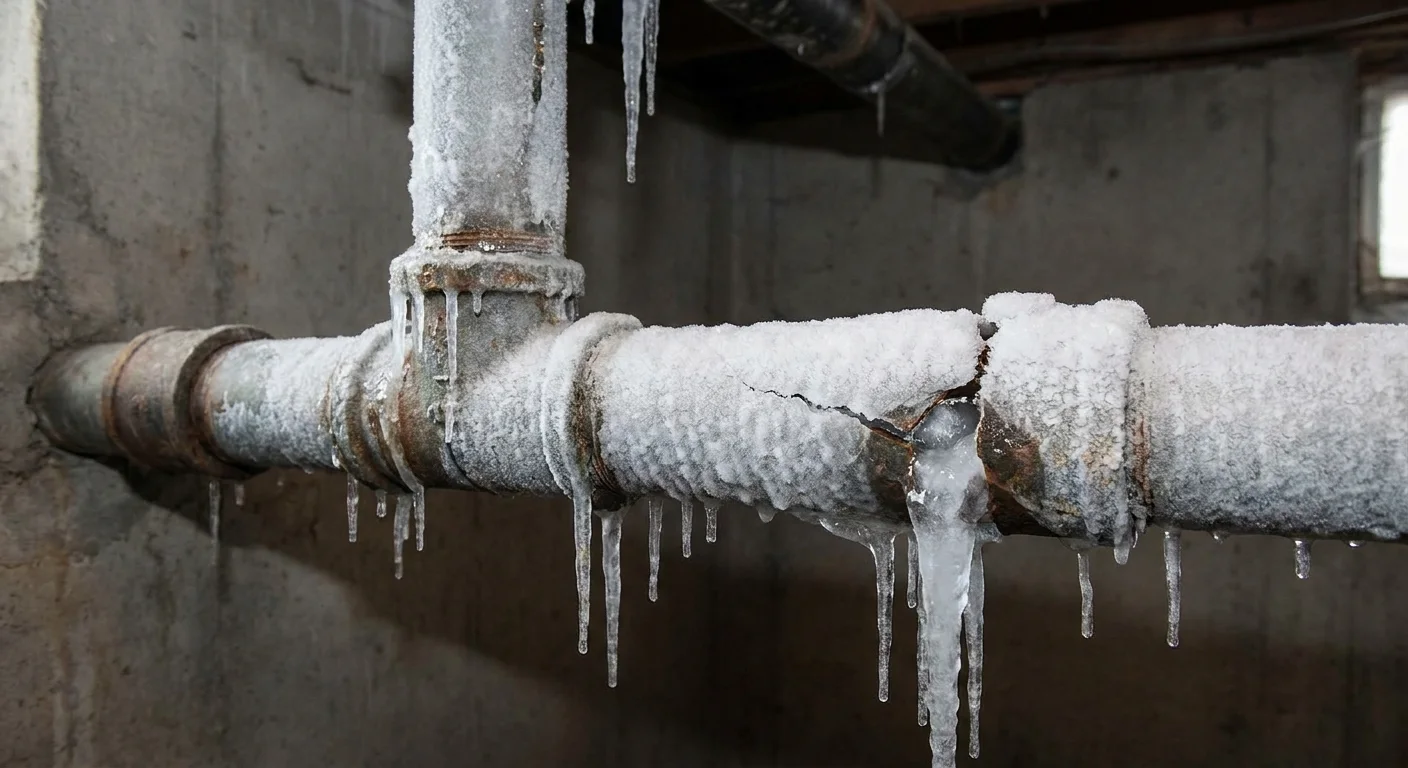
Water can also move up the scale. The S500 notes that gray water not removed promptly can be reclassified as black water, and standing water gives bacteria time to grow. That is why speed matters, and why our emergency response runs 24/7 even though the office keeps 9:00 AM to 4:00 PM hours. If a frozen pipe started your flood, our guide to the first hour after a pipe bursts covers what to do before help arrives.
Why black water is a health risk, and what to do in the first few hours
Black water can make people sick through cuts, skin contact or swallowing, so the first job is keeping everyone out of it.
The CDC's floodwater safety guidance links contaminated water to wound infections, rashes, stomach illness and tetanus, and calls out the risk to children. That is not a reason to panic. It is a reason to let the cleanup happen in the right order.
- Stay out of the water. Keep children, and anyone with a cut or open wound, away. If you must go in, wear boots, gloves and goggles.
- Be careful with power. Switch off breakers to wet rooms only if you can reach the panel without standing in water.
- Stop adding water. If sewage is backing up, hold off on flushing and running drains.
- Take photos and video. Record the water and the damage before anything is moved. Your claim will lean on them.
- Wash up. Wash your hands, and wash clothing that touched the water separately.
- Call us. If no plumber is on the way, we get one out, then we start on the water.
You do not need every answer before you call. Tell us what you see, and we will take it from there.
How professionals clean up category 3 water
A professional Category 3 cleanup protects the crew, removes the water, takes out what cannot be saved, cleans what stays and dries the structure before rebuilding.
NIOSH flood cleanup guidance notes that floodwater can contain sewage, chemicals, petroleum products and pesticides, and calls for watertight boots, cut-resistant gloves, eye protection and sometimes respirators. That gear list is a good reason to leave black water to a crew.
- Protect and contain. The crew suits up and keeps the affected area separated from the rest of the building.
- Extract. Standing water and sewage come out first.
- Remove what cannot be saved. Porous materials soaked with black water, such as carpet and pad, drywall and insulation, are cut out and bagged.
- Clean. Framing, subfloor and other surfaces that stay are cleaned before drying.
- Dry and dehumidify. Structural drying runs until moisture readings show the materials are dry, not just dry to the touch.
- Rebuild. Walls, floors and finishes go back once the structure is clean and dry.
Belongings get their own track. We manage content packouts, so furniture and other items are moved out and assessed while the structure is worked on. We write insurance estimates in Xactimate, so the scope of work is laid out for your adjuster.
What if opening the walls uncovers asbestos or mold?
If tear-out turns up asbestos or mold, the job keeps moving, because we hold a Virginia asbestos contractor license and handle mold remediation too.
Other restoration companies dry the structure and open the walls, then tell the homeowner to hire someone else for the asbestos or mold. We finish the job.
- Asbestos in older homes. Asbestos usually turns up in homes built before 1980, in materials like insulation, transite siding, roofing and floor tiles. When tear-out reaches a suspect material, we test it.
- Licensed abatement. We hold Virginia Asbestos Contractor License 3306001176 from DPOR, and each worker holds an individual asbestos license renewed every year.
- The right method for the material. Floor tiles and pipe insulation are handled differently, with sealed containment, air scrubbers, respirators and bagged disposal.
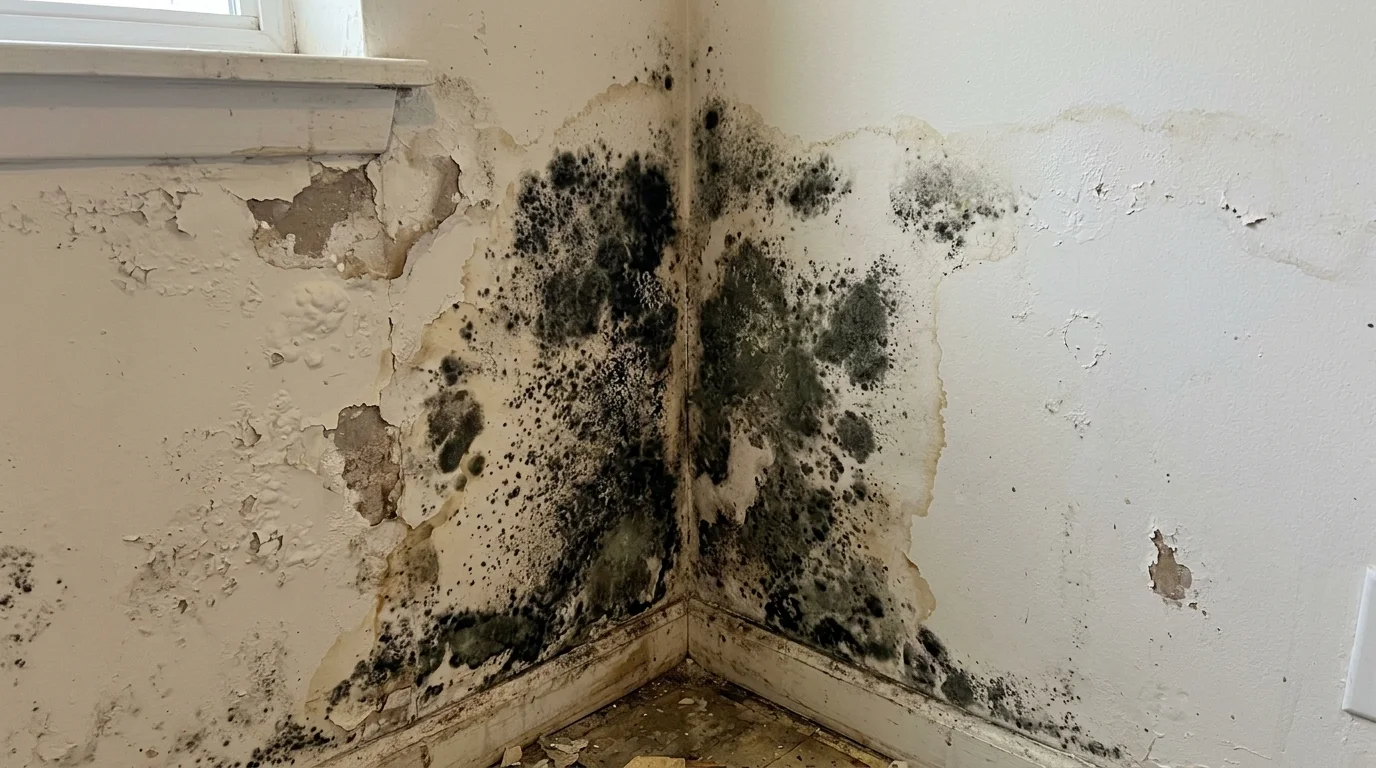
- Mold behind the wall. Visible mold on a surface usually means a larger colony behind it.
- Independent mold testing. Testing is always done by an independent third party, so the results stand up with your adjuster.
Avoid painting over damp drywall or scrubbing with store-bought chemicals. If the moisture source is still there, mold keeps growing underneath until the paint bubbles. Once the hazards are handled, we move on to reconstruction and remodeling, so you are not starting over with a new contractor.
Category 3 water in rentals and commercial buildings
In a rental or commercial building, black water is a tenant safety issue first, so property managers need a licensed, insured contractor in place before work starts.
A sewage backup in an apartment building can reach more than one unit, and tenants need to stay clear of affected areas until cleanup is done and the space is dry. Whether you manage apartments in Virginia Beach, offices in Norfolk or rental homes in Suffolk, check three things before any restoration company starts:
- The contractor license. Check it at dpor.virginia.gov. Ours is a Virginia Class A Contractor license with the commercial building (CBC) classification. Class A is Virginia's highest contractor license tier, with no limit on the size of a single project.
- A certificate of insurance. Ask for it before work begins. Ours lists commercial general liability, pollution liability, professional liability, commercial auto, umbrella and workers' compensation.
- References. Ask any contractor for them, and call a few before you sign.
Multi-unit and business properties have more people to keep safe and more parties to keep informed, so the paperwork matters before the first day of work, not after. There is more on that side of our work on our commercial restoration page.
Will insurance pay for black water cleanup?
It depends on what caused the water and what your policy says, and we help you find out what your policy covers.
Most of the people we help are filing a claim for the first time, and nobody should have to learn the process alone in the middle of a cleanup. We help with:
- Your adjuster. We work with the adjuster on the scope of the job, backed by an Xactimate estimate.
- Your deductible. We explain how it applies so the numbers make sense.
- Temporary housing. If the home is not livable during the work, we help arrange a hotel or short-term rental.
- Asbestos and mold. Coverage for these is not a given. We help you check your policy before you decide.
- Rebuild choices. We advise on decisions like matching continuous flooring, where an insurer might otherwise cut corners.
Waiting has its own cost. Gray water left in place can become black water, which can mean more material has to come out. Our insurance claims page has more on how we work with insurers.
Who you are hiring when you call AmeriTribe
You are hiring a licensed, insured, family-run contractor that stays with the job from the first call through the rebuild.
People usually reach us on a hard day, overwhelmed and unsure where to start. They need someone who can take charge and show the paperwork to back it up. Here is ours:
- Virginia Class A Contractor, DPOR 2705142434. Classifications for asbestos, commercial building and residential building, at Virginia's highest license tier.
- Virginia Asbestos Contractor License, DPOR 3306001176. Issued by the Board for Asbestos, Lead, and Home Inspectors, with individual licenses for each worker.
- Licensed and insured. General liability, pollution liability, professional liability, commercial auto, umbrella and workers' compensation coverage on file.
- One call, start to finish. Water removal, asbestos abatement, mold remediation and the rebuild that follows, including roof replacement and remodels, handled under one roof.
- Native American-owned and family-run. A core team of 11 at 908 Ventures Way, Suite B, Chesapeake, with a subcontractor base for larger jobs.
- Local to South Hampton Roads. We serve Chesapeake, Virginia Beach, Norfolk, Portsmouth and Suffolk.
You can verify both licenses at dpor.virginia.gov. Hiring a licensed, insured contractor protects you from operators who take a deposit and disappear.
One call for black water cleanup and rebuild in Chesapeake and South Hampton Roads
Call (757) 520-5190 and we take it from here, from the first extraction to the finished rebuild.
You did not plan for sewage on the floor or a nor'easter in the garage, and you should not have to manage it alone. We handle your disaster under one roof, start to finish. When you call, you get:
- Clear steps for the next few hours, starting with keeping your family safe.
- A plumber sent out if none is on the way.
- Help with the insurance side, from the adjuster to the deductible.
Emergency response is available 24/7. Our office is open 9:00 AM to 4:00 PM.